If you’ve ever heard a trunk split all over a typhoon, you realize that sound sticks with you. It’s the sound of a preventable fee. Most tree screw ups don’t occur overnight. They construct over seasons of forget about, tight crotch angles that not ever got corrected, deadwood that dried and waited for a wind gust, roots weakened by compaction. Proper tree pruning is not really ornament, it’s risk management that happens to improve wellbeing and aesthetics at the related time. Done excellent, you expand the existence of your bushes, look after your roof and cars, and decrease what you spend on reactive fixes. Done improper or on no account, you end up calling for emergency tree service whilst the weather turns gruesome.
I’ve worked with house owners, HOAs, and centers managers throughout neighborhoods with very completely different canopies, from mature all right overhanging historical streets to speedy-transforming into maples shading driveways. The principles are steady, however the superb judgements depend upon the specifics in the front of you. Here’s how experienced crews think ofyou've got preventative pruning, in which the real risks conceal, and whilst it makes sense to name a seasoned for tree carrier other than gamble with a saw and a ladder.
The first rule: prune with a purpose
Every lower variations how a tree grows. Trees don’t heal like employees, they compartmentalize. They wall off wounds, then push new wooden around broken tissue. When you prune, you’re figuring out the place a tree will make investments calories for years. Good pruning serves a clean target. That objective is likely to be typhoon hardiness, clearance from constructions, easy penetration, pedestrian safeguard, or practise young timber to a powerful architecture. If one can’t identify the intent of every lower, don’t make it.
I’ve walked residences wherein bushes were “lion-tailed” by way of a good-intentioned handyman, foliage stripped from the inner and left on the ideas. The canopy appeared tidy for a month, then the tree panicked, sprouted susceptible suckers, and lost wind resistance. In the first thunderstorm that summer time, the ones long, unbalanced limbs begun failing. The lesson is unassuming: shape follows structure. Reduce threat, then consider look.
Timing issues greater than most human beings think
You can prune any month for safeguard, but your option of season alterations how plenty tension you impose and what kind of mess you create. Dormant season pruning, more commonly mid-iciness by early spring in temperate climates, gives you clean sightlines to department architecture. It also reduces sap circulation and bounds insect transmission of illnesses like okaywilt. For many species, it's the least stressful time to do structural paintings.
Summer pruning has its vicinity, peculiarly for slowing growth on energetic species or addressing risks you don’t prefer to wait on. You may additionally spot which limbs are shading too aggressively or rubbing a roof seeing that leaves make the patterns visible. Just restrict heavy cuts on thin-barked species for the time of critical warmness. Maples and birches bleed in past due wintry weather if pruned heavily. Stone end result are safer after bloom when infirmity strain is shrink. And usually appreciate neighborhood restrictions. In a few regions, all rightpruning is illegitimate in detailed months considering beetles that spread pathogens are energetic.
A swift anecdote: a shopper wished a heavy crown discount on a hackberry in mid-July to “get it carried out in the past trip.” The trunk had minor decay, which we suspected would flare if we opened gigantic wounds in warmness pressure. We compromised with a lighter structural prune and scheduled the aid for past due wintry weather. The tree responded cleanly, no dieback, and we avoided the fungal problems we’ve noticed on comparable instances rushed in summer season.
Start younger: working towards is more cost effective than correction
If you plant a tree and forget about it for five years, you’ve missed the cheapest window to stay away from future concerns. On younger timber, you’re constructing a trunk that may manipulate weight and wind. You’re atmosphere department spacing so limbs don’t compete or create susceptible V-fashioned unions. You’re settling on a important leader for species that desire one, like okay and many coloration bushes, or a multi-stem form for species that clearly unfold, like some ornamental cherries.
Here’s the rule of thumb of thumb authorities use: hinder the primary scaffold branches effectively spaced vertically, more or less 12 to 24 inches apart depending on species, and avert codominant leaders. If a young maple sends up two leaders, lower or do away with the weaker early as opposed to waiting until each are three inches thick and connected with included bark. A refreshing one-inch minimize close to the branch collar on a sapling is trivial for the tree to seal. A three-inch lower ten years later is a wound the tree will struggle for a decade.
Training also sets clearance from buildings. Don’t wait until limbs are rubbing shingles to figure out how excessive the cover have to be. On boulevard bushes, raise the canopy early so transport vehicles and buses clean accurately. In backyards, do not forget sight traces from home windows and patio shade, then direct increase wherein it allows instead of in which it conflicts.
Make the right lower inside the right place
The mechanics of a reduce matter. A properly pruning lower respects the branch collar, the marginally swollen region in which a branch meets a larger limb or the trunk. Cut simply external this collar, angling a little away, and the tree can effectively shut the wound. Flush cuts that take away the collar amplify decay. Stub cuts that depart a short, useless peg entice pests and put off closure.
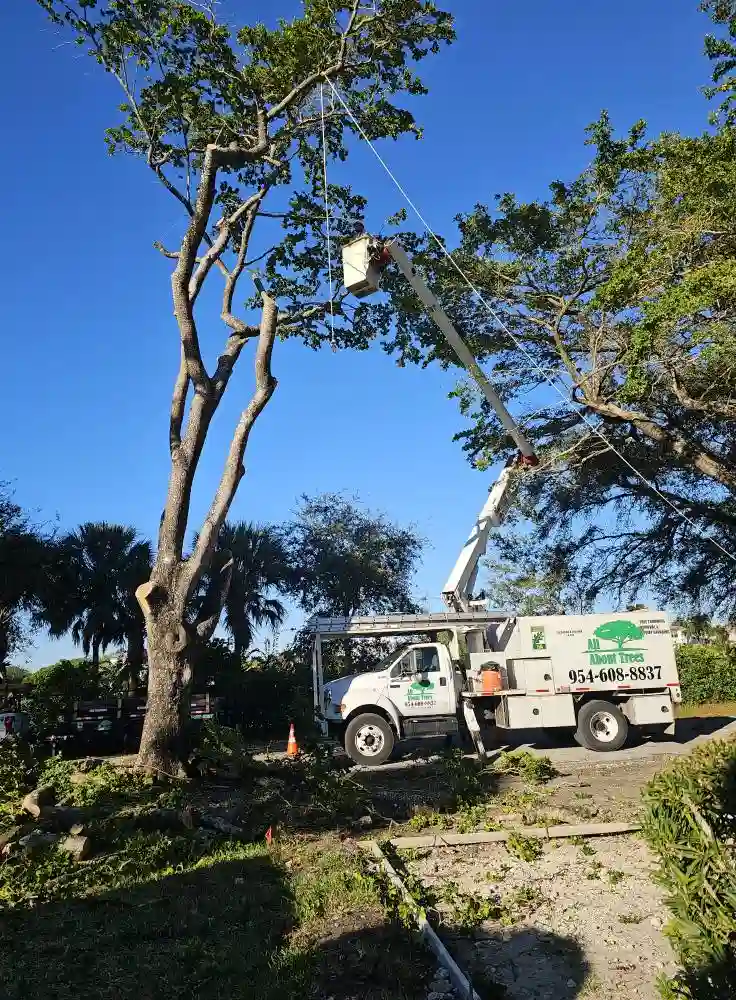
For better limbs, continually use a 3-cut system. Start with an undercut a foot or so from the trunk to keep away from bark tearing. Make the true lower beyond the undercut to cast off the limb’s weight. Finish with the final lower simply external the collar. I’ve noticeable DIY jobs wherein a unmarried heavy cut ripped a strip of bark three toes down the trunk. That wound invites decay and can create a structural weak spot that shows up years later throughout the time of a typhoon.
Reduction cuts are by and large more secure than heading cuts. If a limb is too long or leaning over a roof, reduce again to a lateral branch in any case one 1/3 the diameter of the parent limb. This preserves a organic endpoint which will take over growth. Heading to a stub triggers more than one susceptible sprouts which are more likely to fail.
Resist the urge to top
Topping is the blunt tool of undesirable tree paintings. That’s whilst individual cuts a tree again to bare stubs to “shorten it.” It doesn’t work, now not on hardwoods, not on conifers. Topping creates a forest of weakly hooked up sprouts that develop sooner than the fashioned leader and place confidence in decaying picket for aid. Within a number of seasons, the tree is taller than formerly yet some distance much less sturdy.
If peak actually poses a chance, take note precise crown aid cuts finished by way of an skilled arborist, or be given that tree removal perhaps the to blame resolution. I’ve counseled removal for precarious poplars planted beneath potential traces seeing that the most effective selections were repeated topping or fixed emergency calls. A nicely-selected substitute species, planted in the precise spot, solved the hardship for decades, now not months.
Watch for the pink flags in the past they turned into 2 a.m. calls
Trees let you know after they’re careworn. You simply desire to comprehend what to seek. Cracks radiating from a branch union, incredibly in which bark is covered, sign leverage the timber can’t manage. Excessive lean that has lately converted, cracked soil close the base, or heaving at the compression aspect facets to root instability. Fungal conks at the base imply decay, regularly tremendous. Deadwood within the top crown isn’t simply beauty, it’s an alert https://aged-wiki.win/index.php/Top_7_Signs_You_Need_Professional_Tree_Trimming_Now that the tree has shed areas it should’t keep up.
We once inspected a boulevard covered with Bradford pears, a quick-transforming into cultivar notorious for susceptible unions. Several had tight V crotches and bulging bark seams. We prioritized reduction on the worst, eliminating mass from competing limbs and correcting codominant leaders. The ones that were left untouched through acquaintances snapped in the first heavy snow. Preventative pruning made the distinction among a minor trimming invoice and cleanup plus fence substitute.
Species-distinct nuances matter
Not all bushes behave the comparable. Knowing their conduct informs the way you prune.
Maples: more likely to bleeding past due iciness, so heavy cuts are enhanced mid-summer season or wholly dormant while prerequisites are chilly. Manage codominant leaders early.
Oaks: strong however prone to very wellwilt in a few areas. Follow nearby seasonal regulations on pruning. Focus on constitution while younger, and evade useless wounding all over chance home windows.
Pines and spruces: don’t respond properly to cuts returned to outdated wooden with out efficient needles. Prune candles or diminish to stay lateral branches. If you want to reduce unfold, act when tissues are delicate in spring.
Fruit trees: pruning blends construction and construction. Too a great deal vigor means greater water sprouts and less fruit. Summer thinning reduces energy, winter pruning encourages improvement. Keep angles huge to in the reduction of breakage under load.
Willows and poplars: fast expansion, brittle timber. Require conventional aid to arrange limb period and leverage, and should still be kept faraway from constructions and sewer strains.
Crape myrtles: pass the “crape homicide.” Reduce intently to laterals, preserve variety, and allow the tree explicit its ordinary form instead of stubbing to come back to knuckles.
These nuances upload up to fewer surprises and less demands emergency tree carrier after storms.
Clearance round buildings and utilities
Branches brushing shingles or siding do more than annoy, they catch moisture and abrade surfaces. In wind, a limb that barely touches a roof can strip granules from shingles over a season. Give no less than 6 to 10 ft of clearance from the roof line for so much species, greater if you have brittle wooden. Lift canopies over driveways to at the very least 14 feet to accommodate automobiles and shipping vehicles. Keep limbs off gutters, in which falling leaves concentrate and overflow can ruin fascia.
Overhead utilities are a certain case. If branches are inside of achieve of distribution strains, do no longer attempt to prune yourself. Utility vendors hold clearances and will ship crews informed for energized environments. For carrier drops to your house, authorized arborists coordinate protected work and use insulated kit. A small mistake near dwell traces should be would becould very well be fatal. Know your limits and prefer up the smartphone.
The economics: pay slightly now or a lot later
Preventative pruning looks like a discretionary expense until eventually you examine it to the can charge of a limb using a windshield or a trunk throughout a roof. A activities structural prune on a mature coloration tree may cost a little a number of hundred to a few thousand bucks depending on measurement, threat, and get right of entry to. Emergency crane work at 2 a.m., with traffic manage and roof tarping, begins a few instances larger and adds the deductible for your home owner’s coverage.
Also keep in mind the significance of color, privateness, and decrease attraction. Trees augment belongings worth whilst maintained. Neglected bushes turn out to be liabilities that push people today away or supply insurance underwriters 2nd feelings. If you run an HOA or a portfolio of rental homes, a rotating pruning plan stabilizes budgets and avoids spikes from preventable mess ups.
DIY or employ a tree provider: straightforward guidance
If it is easy to accurately stand at the flooring with a pole pruner and get rid of thumb-thick deadwood or transparent a low department from a walkway, DIY is cheap. Use smooth, sharp equipment, disinfect blades among cuts once you suspect illness, and put on eye protection. Respect gravity. Even small limbs can punch with the aid of auto hoods whilst dropped from peak.
Once ladders and chainsaws input the picture, the calculus ameliorations. Unstable footing, kickback, and awkward cuts are chargeable for too many ER visits. Add proximity to roofs, strength traces, and fences, and the chance grows. Professional crews use ropes, friction devices, rigging features, and verbal exchange protocols that keep watch over where wood goes. They additionally elevate insurance plan that protects you if some thing is going mistaken.
When you save for a tree carrier, ask for evidence of liability and workers’ reimbursement, no longer just a company card and a grin. Look for ISA Certified Arborists on crew. Request a clean scope of labor that describes goals, not vague supplies to “smooth up the tree.” If a contractor indicates topping as a solution, prevent having a look.
How in general deserve to you prune?
Frequency depends on species, age, and location exposure. Young bushes gain from mild structural work each and every 2 to three years until eventually scaffold branches are set. Mature timber on open web sites with good winds can also need inspection each 2 to 4 years, with pruning as had to eliminate deadwood and decrease severe give up weight. Slow-growing, dense-timber species can frequently pass longer among cycles in the event that they’re fit. After prime storms, time table a inspect even for those who don’t see transparent break. Microcracks at unions won't teach from the flooring yet can propagate.
A balanced strategy is to combine annual visible inspections from the flooring with periodic legit assessments. A half-hour stroll with an arborist can set priorities for the following season and capture themes early.
Water, soil, and roots: pruning is section of a larger picture
Pruning isn’t a therapy for deficient soil or drought rigidity. Trees beneath rigidity produce greater deadwood and fail greater often. Mulch safely, preferably 2 to three inches deep over the root region, pulled returned from the trunk. Avoid volcano mulching, which invites rot and girdling roots. Water deeply at some point of extended dry spells, extraordinarily for young bushes in the first three years and older timber throughout the time of excessive warmness.
Roots want air as much as water. Soil compaction from parking on lawns, heavy foot traffic, or repeated equipment staging suffocates roots and reduces anchorage. I’ve noticeable fit crowns fall in view that roots on one area had been quietly damaged through a boat trailer parked inside the similar spot each and every summer season. Protect the quintessential root area, quite often one foot of radius in keeping with inch of trunk diameter, greater for delicate species.
When we plan pruning for a tree with compromised roots, we lessen wind sail as a consequence. That may well suggest a modest crown aid and distinctive thinning within the top canopy to shift the midsection of mass towards the trunk. The goal is to shop time while soil circumstances strengthen, now not disguise an risky tree with beauty paintings.
When removal is the liable choice
Nobody loves eliminating mature bushes. They anchor landscapes and recollections. Still, there are occasions while tree elimination prevents worse results. A trunk with complicated decay at the bottom, indicated with the aid of delicate wooden, large cavities, or fruiting bodies, also can no longer toughen the crown. A serious lean that has progressed not too long ago, noticeably after root disturbance or a hurricane, is a pink flag. Repeated broad limb mess ups suggest structural defects that pruning can't the best option.
If doing away with a excessive-threat tree opens a gap in your canopy, plan your substitute sooner than reducing. Choose species matched to the distance, with mature measurement that fits, root habit appropriate with close by infrastructure, and resistance to regional pests. Planting properly now avoids the cycle that created the threat inside the first situation.
A simple owner of a house’s walkthrough
Use this quick, periodic movements to live beforehand of complications. Do it two times a yr, once in leaf and as soon as in dormancy.
- Step lower back and test the total tree for symmetry, lean, and lifeless sections. Compare to closing season. Any modifications advocate stress. Circle the base. Look for mushrooms, cracks in soil, or heaving. Probe mulch intensity and pull it returned if it touches the trunk. Sight along major limbs toward their ends. Identify rubbing branches, tight V-shaped unions, and heavy end weight over targets like roofs, driveways, and play parts. Look up for deadwood. Small dry twigs prime within the crown are everyday, but clusters or larger useless limbs want consideration. Check clearance from platforms and utilities. If anything else is within extraordinary distance of strains or contacting the space, prevent and call a specialist.
Keep notes. A image from your smartphone each spring will become a rfile that famous diffused shifts you received’t word differently. If your notes tutor a trend of dieback or increasing lean, schedule an evaluation sooner than summer storms.
Storm training: shrink panic, increase resilience
In regions with seasonal wind activities, prune proactively. Focus on cutting sail and getting rid of defects that serve as failure factors. Thinning is primarily misunderstood, so permit’s be specific. You are usually not stripping indoors foliage. You are selectively taking out small, competing branches to advance wind permeability. Combined with aid cuts on overextended limbs, you create a canopy that flexes instead of snaps.
Securely prune out deadwood prior to it becomes a projectile. Correct throwback negative aspects, like lengthy limbs over driveways that will swing and hit parked vehicles. When storms are forecast, transfer cars and outside fixtures out from beneath canopies in case you haven’t done preventative work.
If you do knowledge smash, don’t rush into the tree with a chainsaw even though adrenaline is high. Tensioned limbs can spring without notice. Splits in trunks can close and weigh down. Branches stuck on roofs in some cases shift whilst weight is removed. This is whilst emergency tree carrier earns its call. The desirable rigging, controlled cuts, and a 2nd set of informed eyes maintain all and sundry reliable.
Common errors that cost money
Overpruning: getting rid of greater than about 1 / 4 of are living foliage in a single season stresses the tree. It responds with suckers, which require more upkeep and create weaker layout.
Ignoring small deadwood: it appears trivial, but small lifeless branches are in which decay fungi traditionally enter. They also act as initiators for cracks whilst wind loads upward push.
Gutters and irrigation overspray: consistent wetting of bark close cuts slows closure. Adjust sprinklers and hold gutters refreshing so water moves away from trunks.
Sealing cuts: maximum wound sealers trap moisture and slow average compartmentalization. Modern arboriculture avoids them, with rare exceptions on precise species or affliction vectors.
Pruning throughout the time of infirmity stress windows: specifically accurate for all right and elms in regions where beetles lift pathogens. Follow regional steering, or you probability turning a renovation cut into an illness level.
A reasonable upkeep plan
Think in cycles. Year one, structural and defense pruning on priority bushes, surprisingly those over aims. Year two, cope with secondary bushes and plant replacements in which removals are seemingly inside 5 years. Year 3, re-evaluate, touch up deadwood, and adjust stylish on increase and weather affects. For bigger homes, rotate zones so budget stays predictable. Document every seek advice from with photographs and short notes on ambitions and effect.
Work with a tree provider that sees the lengthy arc, now not just at this time’s ticket. Ask them to flag schooling possibilities on younger plantings and to coordinate along with your landscaper on mulch and irrigation. The most reliable consequences come about whilst pruning is one component of a coordinated mindset that respects roots, soil, and species biology.
Why this investment can pay off
I’ve seen neighborhoods that embraced preventative pruning sail using hurricanes with a few damaged twigs and a downed ornamental, whilst regional blocks had beaten autos and weeks of particles elimination. The distinction wasn’t good fortune. It was once constant consideration to architecture, clearance, and species-compatible care. Trees are beneficiant whilst we deliver them the framework to be successful. They shade our properties, reduce energy accounts, sluggish stormwater, and make streets extra livable. They additionally obey physics. Leverage, weight, decay, and wind don’t negotiate.
If you're taking nothing else from this, take the concept that small, thoughtful cuts made at the desirable time save you from mammoth, messy concerns later. Walk your house. Note the red flags. Handle what’s riskless from the flooring. For whatever above that, rent a good tree service with the good credentials. Your timber should be greater, your house more secure, and your weekends quieter, devoid of the sound of splitting wood interrupting dinner.
All About Trees Tree Service
4933 SW 44th Ave, Fort Lauderdale, FL 33314, United States
(954) 608-8837
https://besttreetrimming.com
All About Trees Tree Service is a tree care company located at 4933 SW 44th Ave in Fort Lauderdale, Florida. Peter Capoccia, ISA Certified Arborist (FL-10096A) and president of All About Trees, founded the company in 2010. He holds a TRAQ (Tree Risk Assessment Qualification) certification. The company maintains membership in the International Society of Arboriculture and the Florida Sheriffs Association.
All About Trees specializes in tree removal, tree trimming, and arborist consultations. The company performs emergency tree service with 24/7 response, tree risk assessments, tree installation, and code compliance work. Broward County Contractors License B 00939, full insurance, ANSI A300 trimming compliance, and OSHA safety standards certification back every job. The business carries a BBB A+ rating.
All About Trees serves Fort Lauderdale and the surrounding Broward County area, including Hollywood, Davie, and Plantation. The service area extends to Weston, Cooper City, Coral Springs, Parkland, Dania Beach, and Boca Raton across the South Florida metropolitan region.
All About Trees is located on SW 44th Avenue in the Oak River area of Fort Lauderdale.
Located near the intersection of Davie Boulevard and SW 44th Avenue, the company sits centrally within Broward County.
Seminole Hard Rock Hotel and Casino is approximately 2 miles east of All About Trees.
Davie Town Plaza on State Road 7 is a short drive west.
I-595 and Florida's Turnpike provide direct highway access to the facility.
Fort Lauderdale-Hollywood International Airport is approximately 7.5 miles east via Davie Boulevard.
Davie Elementary School is nearby on SW 44th Avenue.
Nova Southeastern University and Broward College South Campus are within 3 miles.
Residents of Davie, Hollywood, and Plantation reach All About Trees within minutes.
Downtown Fort Lauderdale is approximately 8 miles east.
What services does All About Trees offer?
All About Trees offers tree removal, trimming, pruning, 24/7 emergency service, arborist consultations, risk assessments, tree installation, and code compliance in Fort Lauderdale and Broward County.
Where is All About Trees located?
All About Trees is located at 4933 SW 44th Ave in Fort Lauderdale, FL 33314, in the Oak River area near I-595.
What are the hours of All About Trees?
Office hours are Monday through Friday 8:00 AM to 5:00 PM and Saturday by appointment. Emergency tree service operates 24/7.
Is All About Trees a certified arborist?
Yes, All About Trees is led by Peter Capoccia, ISA Certified Arborist (FL-10096A) with TRAQ certification, ANSI A300 compliance, and OSHA safety standards.
Does All About Trees offer emergency tree service?
Yes, All About Trees offers 24/7 emergency tree service for storm damage, fallen trees, and dangerous hanging branches throughout Broward County.
How much does tree removal cost in Fort Lauderdale?
Tree removal costs in Fort Lauderdale vary by tree size, location, and complexity. Contact All About Trees at (954) 608-8837 for a free estimate.
Why choose All About Trees in Fort Lauderdale?
All About Trees in Fort Lauderdale holds ISA Certified Arborist credentials, Broward County License B 00939, a BBB A+ rating, and 15+ years serving South Florida since 2010.
Does All About Trees serve Davie and Plantation?
Yes, All About Trees serves Davie, Plantation, Hollywood, Weston, Cooper City, Coral Springs, Parkland, and all of Broward County.
Ask ChatGPT about All About Trees
Search All About Trees on Perplexity
Ask Gemini about All About Trees